
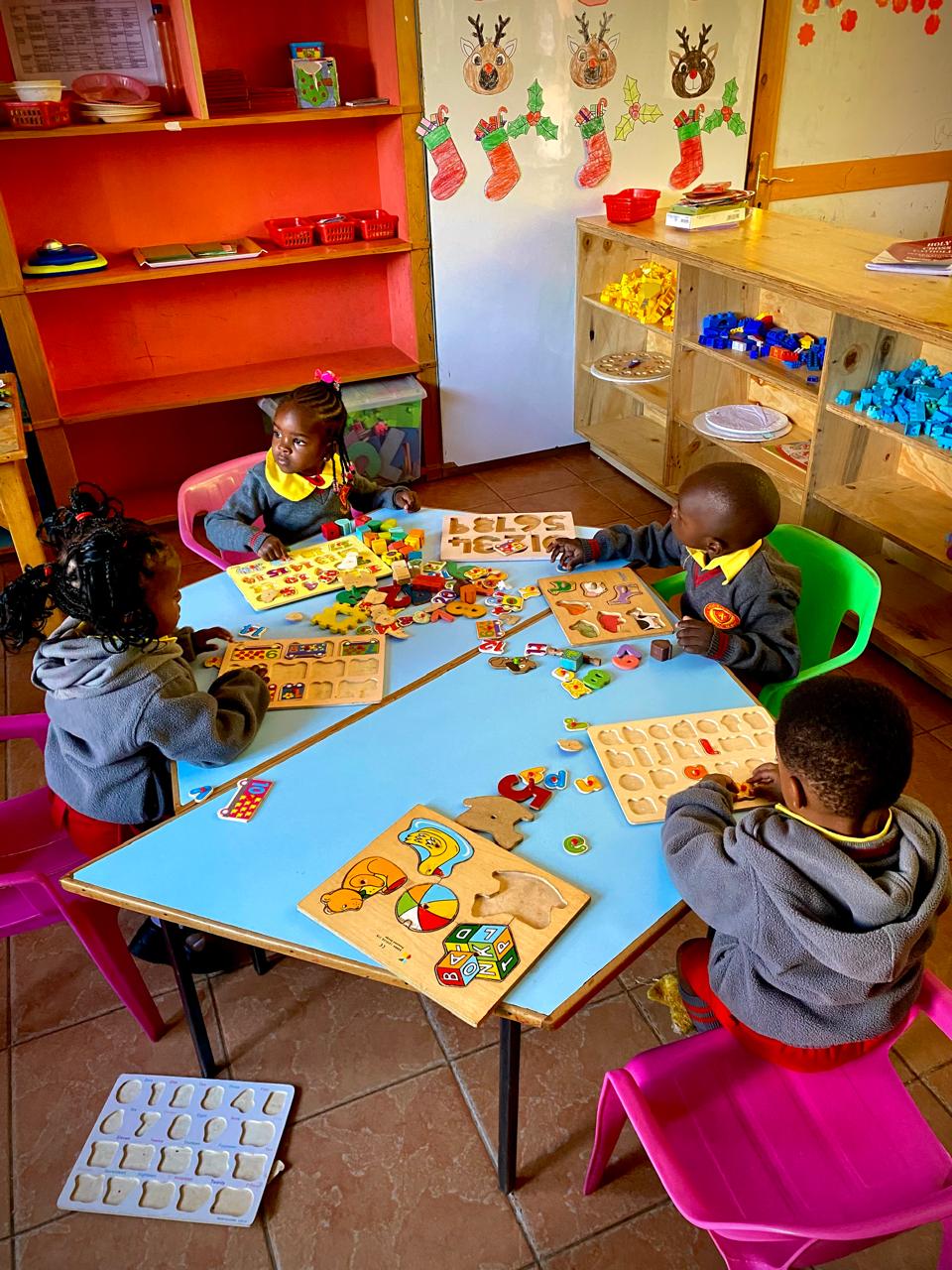
The transition into a formal classroom setting is one of the most significant milestones in a child’s early life. While parents often focus on the physical preparations, picking out the perfect backpack or the sturdiest pair of shoes, the internal preparation is far more complex. Understanding the indicators of school readiness allows parents and educators to build a bridge between the play-based world of home and the structured environment of the school.
School readiness is not a race to see who can read first, rather, it is a holistic measure of a child’s development across multiple domains.
The Foundation: Social and Emotional Maturity.
Surprisingly, many educators argue that emotional resilience outweighs academic knowledge in the first year of school. A child who can identify their feelings and navigate social hierarchies is better equipped to learn than a child who knows their multiplication tables but cannot share a toy.
- Self-Regulation: Can the child manage their impulses? High levels of readiness are shown when a child can wait their turn or handle a disappointment without losing control.
- Interpersonal Skills: Interaction with peers is a constant requirement. Indicators include the ability to cooperate in small groups and resolve minor conflicts through words rather than physical actions.
- Independence from Caregivers: Confidence is key. A child is ready when they can comfortably separate from their parents and trust another adult to guide them through the day.
Because the classroom is a social ecosystem, these emotional foundations ensure that a child spends less time in “survival mode” and more time in “learning mode.”
The Power of Communication: Language and Literacy
Effective communication is the primary tool for classroom success. However, this does not mean a child must be a fluent reader before day one. Instead, we look for foundational literacy and oral language abilities.
- Receptive Language: This involves the child’s ability to listen to and understand instructions. For instance, can they follow a multi-part command like, “Please put your drawing in the folder and then find your coat”?
- Expressive Language: A ready child can articulate their needs, thoughts, and questions. They use reasonably complex sentences to describe their experiences, which allows teachers to assess their understanding of the curriculum.
- Print Awareness: Do they understand that the squiggles on a page represent words? Interest in books and the realization that stories follow a sequence are vital indicators of school readiness.
Physical Development and Self-Sufficiency
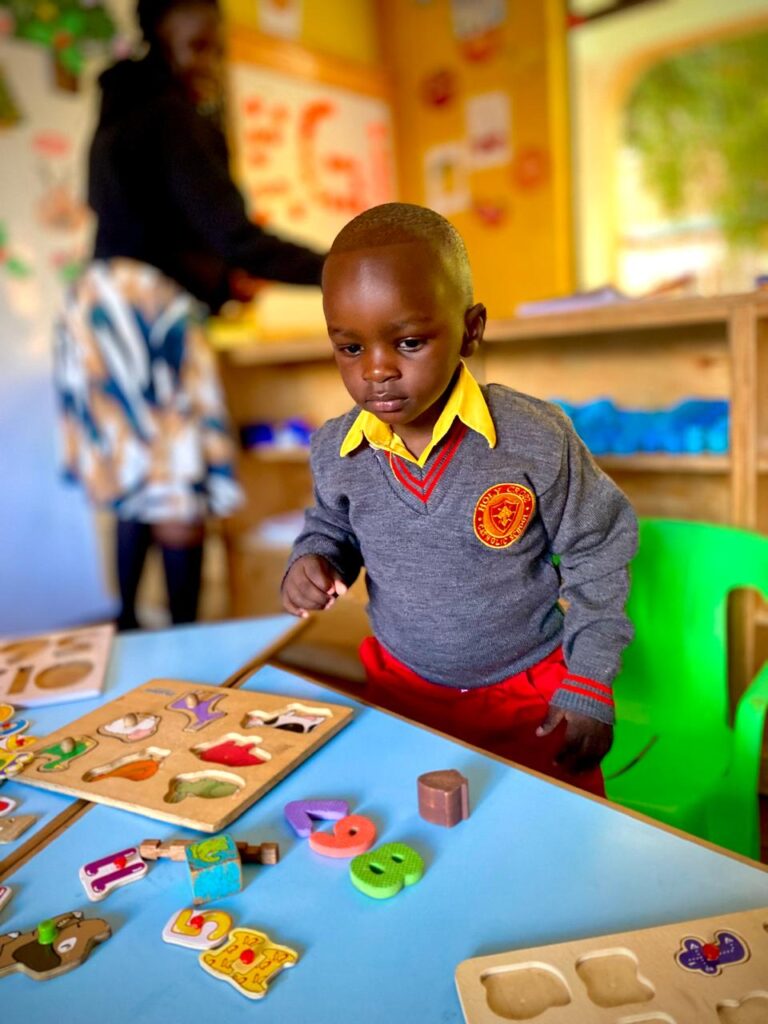
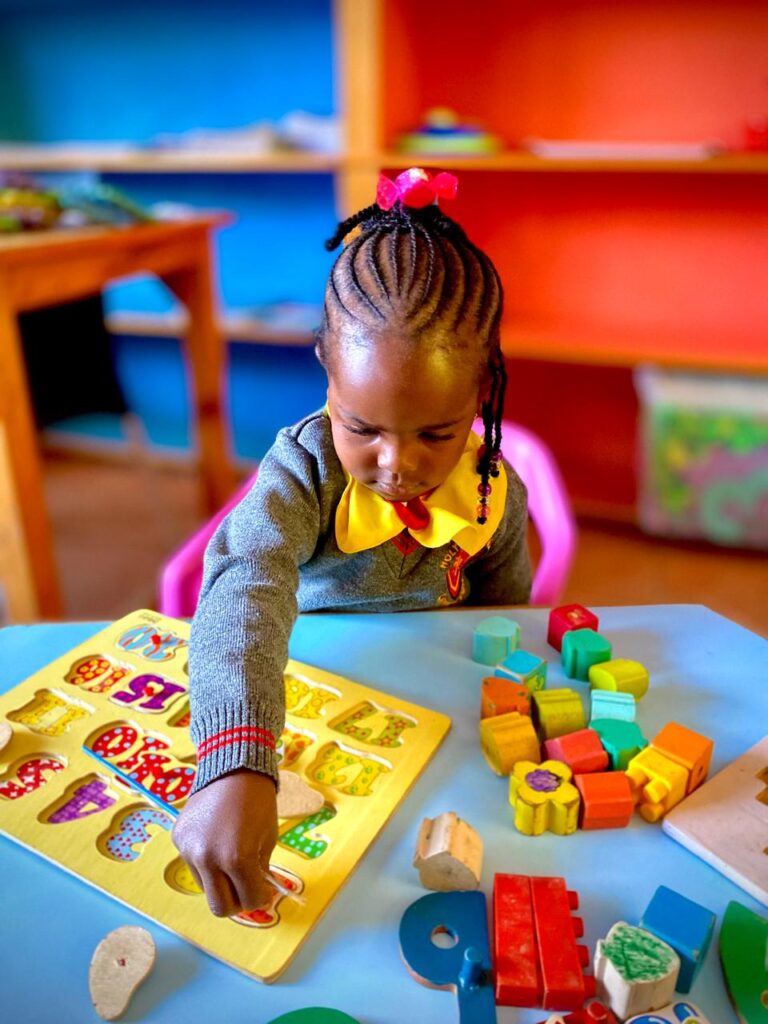
We often overlook the physical demands of a school day. A child’s body must be physically capable of meeting the rigors of a six-hour schedule. This includes both gross motor and fine motor coordination.
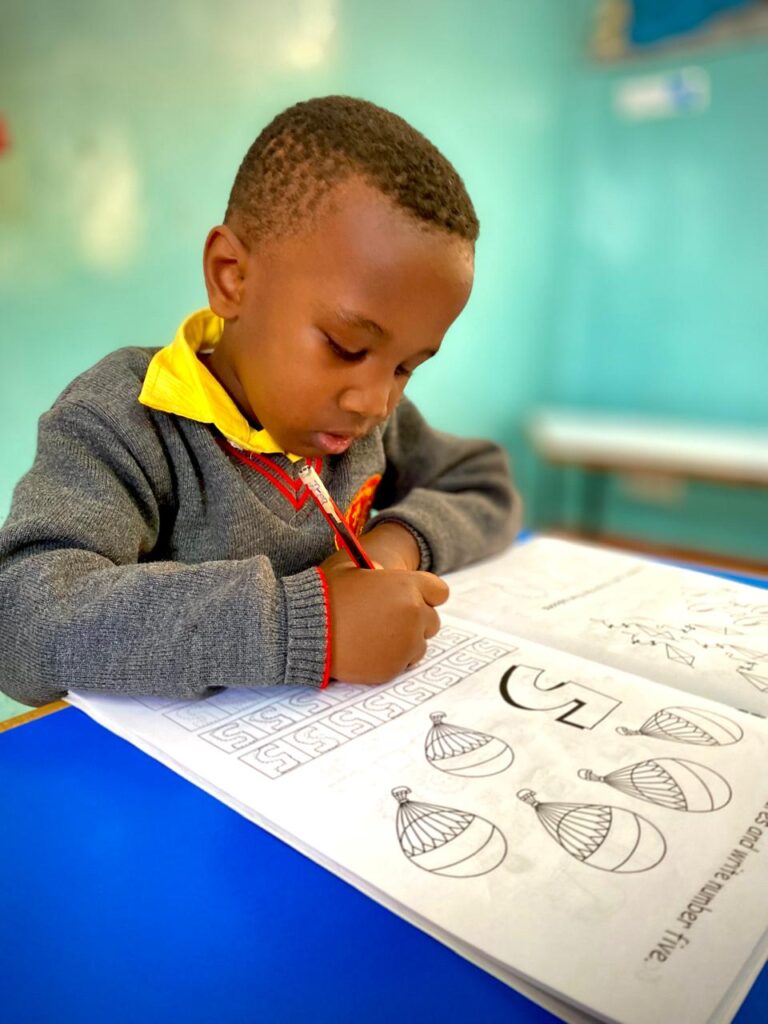
- The Grip and the Snip: Fine motor control is essential for holding pencils, using scissors, and manipulating glue sticks. If a child’s hand muscles are weak, they may find writing tasks painful or frustrating, which can lead to a quick loss of interest in academics.
- Autonomy in Self-Care: School requires a level of “functional independence.” This means the child can manage their own bathroom needs, zip up their jacket, and open their own snack containers. When a child masters these tasks, they gain a sense of agency and pride.
Cognitive Curiosity: The Approach to Learning
A child’s learning disposition is perhaps the most accurate predictor of future success. Educators look for a spark of curiosity and a willingness to engage with the unknown.
Does the child ask “why?” frequently? Do they show persistence when a puzzle gets difficult, or do they give up immediately? A child who demonstrates task persistence and problem-solving skills possesses the mental stamina required for the modern classroom. These cognitive traits ensure that the child views challenges as puzzles to be solved rather than obstacles to be feared.
Partnering for Success
Ultimately, school readiness is a collaborative effort between the home and the school. It is important to remember that every child follows a unique developmental timeline. If a child hasn’t mastered every indicator yet, it doesn’t mean they won’t succeed; it simply highlights the areas where they might need a little extra scaffolding.
By focusing on these holistic indicators, we move beyond the backpack and prepare our children for a journey of lifelong discovery.