

Walking through the doors of a school shouldn’t just feel like entering a building of bricks, desks, and books. For a child, a school should feel like a second home—a sanctuary where they can truly be themselves. At our international Catholic school community, we intentionally design an environment where every student feels deeply valued, safely sheltered, and completely known.
But what actually creates that warm, lived-in feeling of home within an educational space? It goes far beyond cozy furniture or colorful walls. It requires a deliberate blending of faith, family values, and global citizenship.
1. A Foundation of Unconditional Belonging
First and foremost, a home is a place where you belong simply because you exist. In our wonderfully diverse student body, children arrive from all corners of the globe, often leaving behind familiar comfort zones. Because we ground our identity in Catholic values, we view this global diversity as a beautiful reflection of God’s family. We actively celebrate different cultures, honor unique backgrounds, and ensure that no student feels like an outsider. As a result, students discover a universal family right here on campus.
2. Spaces That Breathe Comfort and Joy.
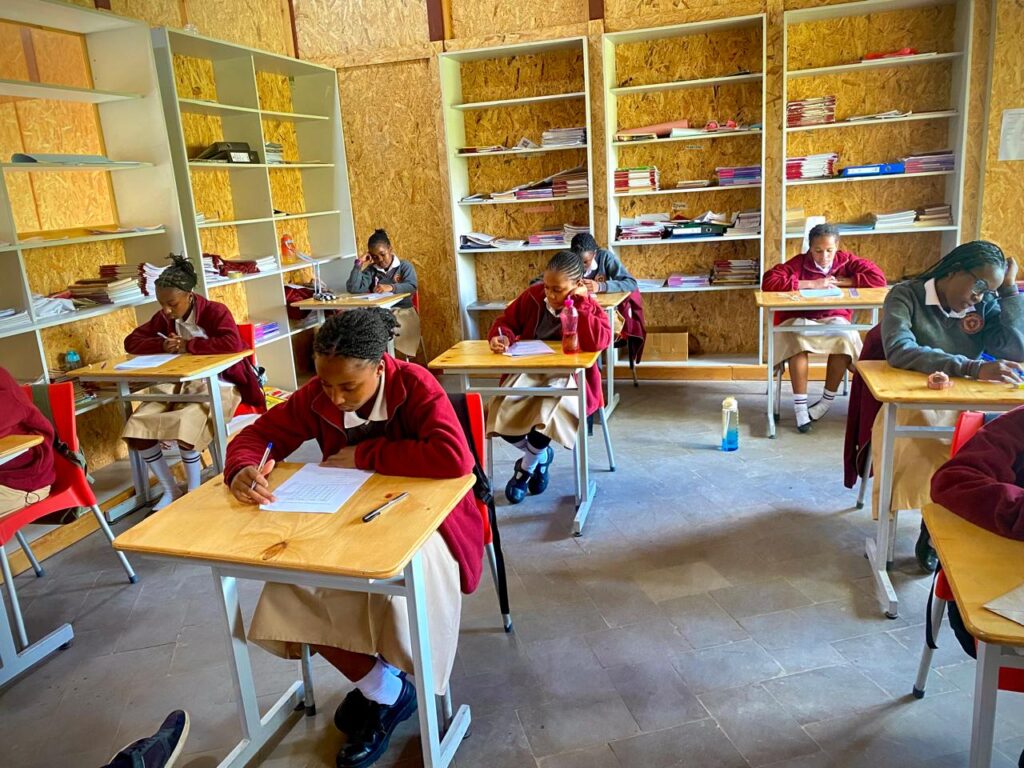
Additionally, the physical and emotional environment plays a massive role in comforting an anxious mind. While academic rigor matters immensely, we also prioritize vibrant communal spaces, quiet areas for prayerful reflection, and classrooms filled with collaborative energy. Laughter is frequently heard in our hallways, reminding us that joy is just as vital to growth as textbooks. When physical spaces invite connection, students let their guard down and learn with an open heart.
3. Teachers Who Anchor the Heart.
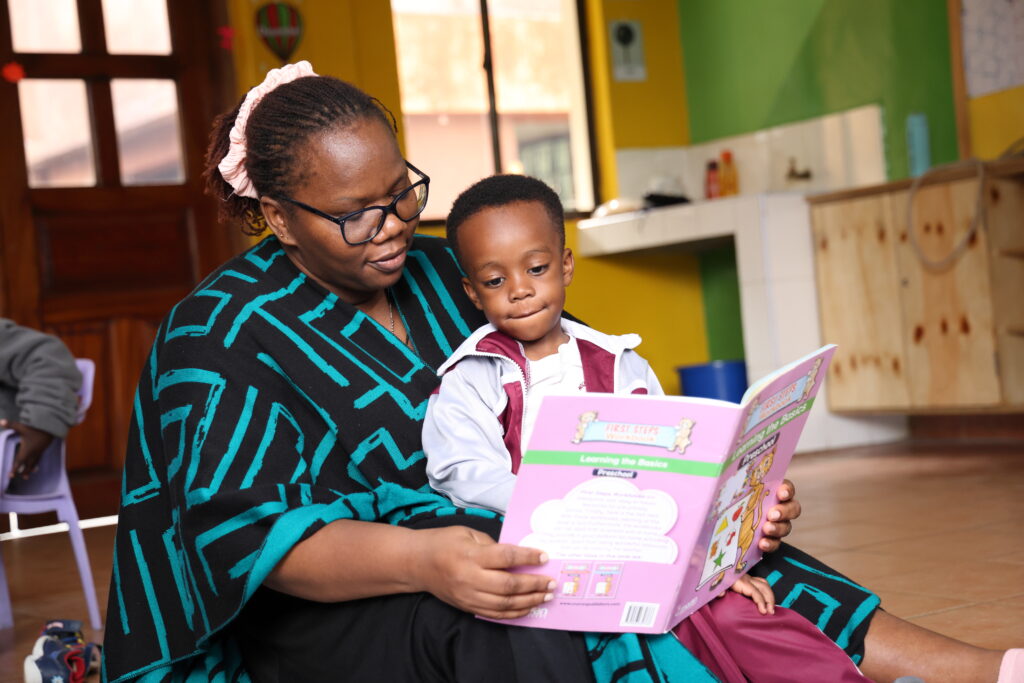
Moreover, a house only becomes a home because of the people who occupy it. Our educators do not just deliver a rigid curriculum; they mentor, guide, and listen. When a student struggles with a difficult concept, a teacher steps in with patience. Conversely, when a student succeeds, the whole classroom celebrates. This relational approach beautifully mirrors a supportive family dynamic. Consequently, this bond gives students the emotional security they need to take bold academic risks and overcome challenges.
4. Shared Traditions and a Common Faith
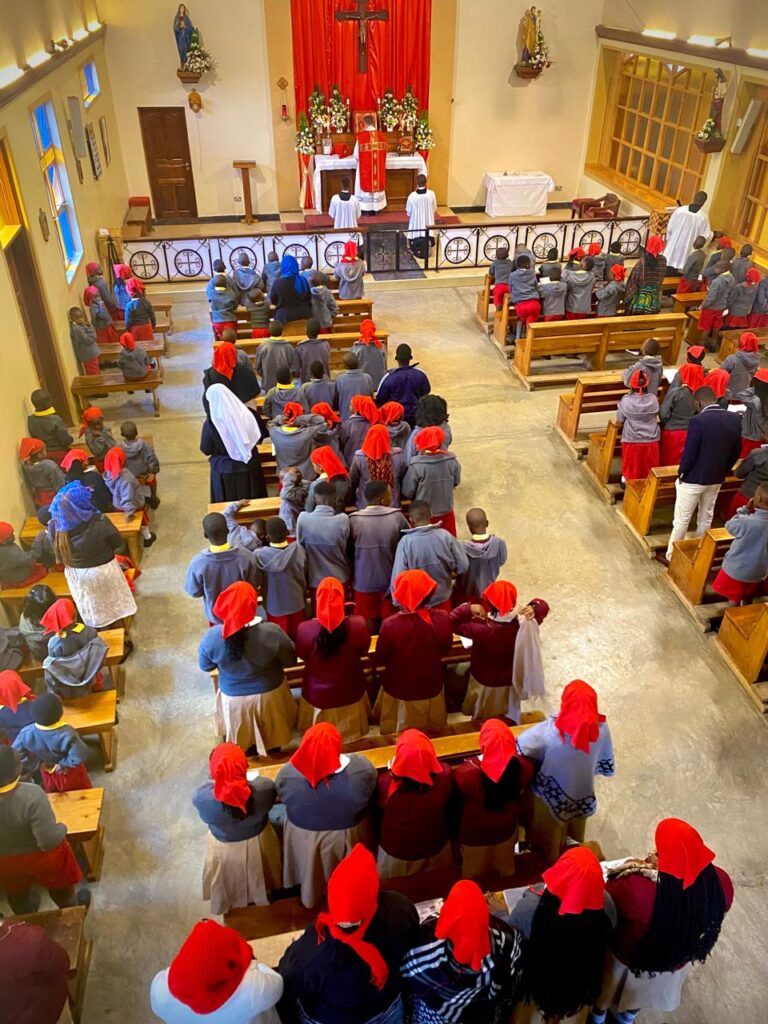
Finally, homes thrive on rituals, and our school community is no different. Whether we are gathering for School Mass, praying the rosary, or serving through volunteer activities in the local community, these shared experiences bind us. Through service and faith, our students look beyond themselves and connect with a higher purpose. These traditions weave a tight-knit tapestry of memories that students carry with them long after graduation.
The Heart of the Matter: A school feels like a home when it nurtures the whole person—mind, body, and soul. By blending global perspectives with Christ-centered love, we create a space where students do not just study; they truly belong.